Best Residential Pest Control: How to Keep Your Home Pest-Free
A home can look spotless, smell fresh, and still hide a tiny problem quietly growing behind walls or under floors. Pests rarely announce their arrival. They slip in, settle down, and start multiplying before anyone notices.
Brisbane’s warm climate makes it even easier. Termites thrive, cockroaches don’t take a break, and ants seem to run entire empires in kitchen corners. That’s where Best Residential Pest Control becomes less of a luxury and more of a necessity.
The conversation around Best Residential Pest Control tends to lean toward quick fixes, such as sprays, traps, or once-a-year services. That advice rarely holds up in Brisbane’s climate. Real pest management is less about one solution and more about a layered system, built slowly and adjusted often.
There’s also the landscaping factor. Gardens that sit too close to exterior walls create a perfect transition zone. Mulch beds, thick hedges, and even decorative stones hold moisture. Over time, they blur the line between outdoors and indoors. That’s usually where the first signs of trouble begin, though they rarely get noticed early.
Why Brisbane homes attract pests year-round
Brisbane’s climate doesn’t really give pests an off-season, making it essential to invest in the Best Residential Pest Control. Even during cooler months, there’s enough warmth and moisture tucked away in roofs, subfloors, and wall cavities to keep activity ticking along. Termites, especially, don’t take breaks; they just move more discreetly.
A common mistake is assuming pests only show up when something is wrong inside the house. In reality, a perfectly clean home can still attract insects simply because of what’s happening outside. Garden beds too close to walls, damp mulch, or even poorly directed drainage can draw pests in long before they reach the kitchen.
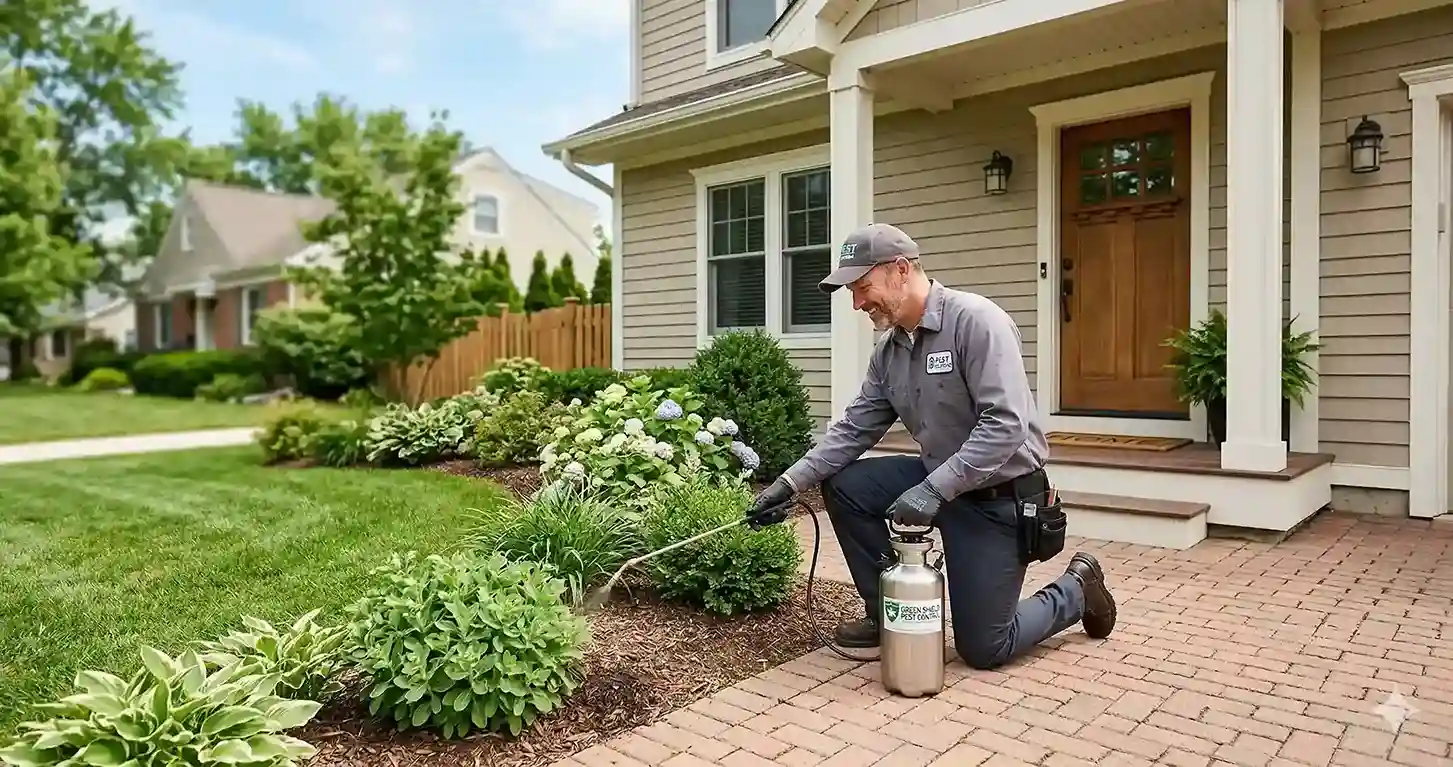
The Best Residential Pest Control approach in Brisbane always starts outside the home, not inside. Ignoring external conditions is where most homeowners fall short. It’s easier to spray a surface than fix drainage, but the latter is what actually reduces long-term pressure from pests.
Early warning signs that most homeowners tend to ignore

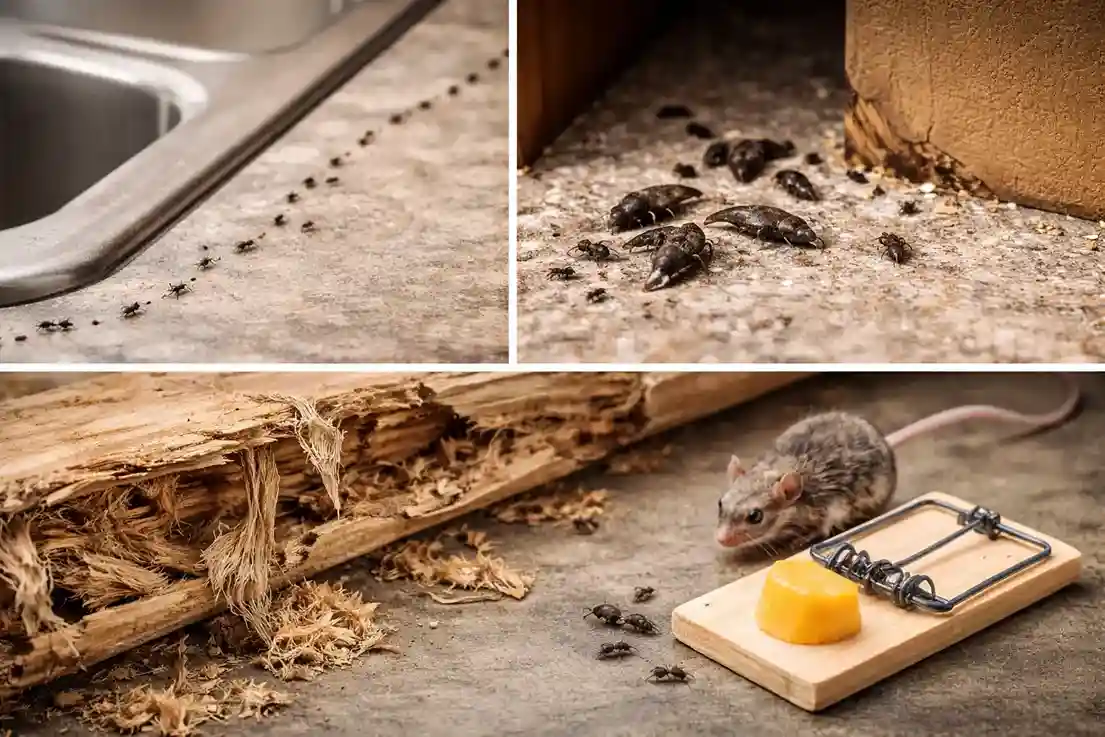
Small signs often get dismissed, but identifying them early is a key part of the Best Residential Pest Control. A few ants are near the sink. A faint scratching sound in the ceiling. What tends to happen is a bit of wishful thinking: clean it up, hope it disappears, and move on. Sometimes it does. Often, it doesn’t.
Cockroach activity, for instance, rarely begins in visible areas. By the time one runs across the floor, there’s usually an established hiding spot somewhere warm and dark, which is why securing the Best Residential Pest Control early is so important. The same goes for rodents. Droppings in a garage or pantry aren’t early signs; they’re mid-stage signals.
The Best Residential Pest Control mindset treats small signs as early opportunities, not minor annoyances. Acting early usually costs less, requires less intervention, and avoids the cycle of repeated treatments that never quite solve the root issue.
Cost of Residential Pest Control in Brisbane
|
Service Type |
Average Cost (AUD) |
|
General pest spray |
$150 – $300 |
|
Termite inspection |
$250 – $400 |
| Rodent control |
$200 – $500 |
| Full treatment plan |
$300 – $800 |
The real cost of delaying pest control action
Putting off pest control tends to feel like saving money until it isn’t. Termite damage is the obvious example, but even smaller infestations can quietly increase costs, making the Best Residential Pest Control a more cost-effective long-term strategy.
There’s also the hidden operational cost inside a household. Time spent cleaning more often, checking cupboards, dealing with smells, or worrying about hygiene. It’s not something people calculate, but it changes how a space is used. Kitchens become less relaxed, and storage gets overcomplicated.
The Best Residential Pest Control often looks more expensive upfront, especially when professionals are involved. But over a year or two, it usually evens out or even becomes cheaper because it reduces repeat problems instead of chasing them.
Common DIY mistakes that make infestations worse
There’s a certain confidence that comes with a can of spray from the supermarket. It works instantly, smells strong, and gives the impression that the problem is handled, though it rarely matches the effectiveness of the Best Residential Pest Control. The issue is that most sprays only deal with what’s visible, not the source.
A common mistake is overusing surface sprays while ignoring nesting areas. Ants, for example, may disappear from the bench but continue breeding behind walls. Cockroaches can become resistant to certain treatments if used incorrectly or too frequently.
The Best Residential Pest Control isn’t just about showing up and spraying every corner. It’s more about breaking the breeding cycles and making sure your home isn’t an open invitation for pests to move in. A quick fix might feel good for a week, but it usually just drags the problem out instead of actually fixing it.
How moisture and airflow quietly invite pests in
Moisture is the one thing almost everyone underestimates. A leaky tap or a bit of poor ventilation can turn a dry corner into a playground for bugs and rodents. It doesn’t take a flood, either; just a bit of consistent dampness is enough to cause trouble.
Subfloors and roof cavities in Brisbane homes are huge red zones. If the airflow is poor, the humidity just sits there, which is like a neon sign for termites. Once they’ve set up shop, you’re unlikely to even know they’re there without a proper look-over.
The Best Residential Pest Control approach pays close attention to airflow and moisture control. Fixing a leak or improving ventilation doesn’t feel like pest control work, but in practice, it’s one of the most effective long-term strategies.
Choosing the Best Residential Pest Control Approach
There’s no one-size-fits-all here. One house might be fine with a yearly preventative treatment, while the place next door needs the Best Residential Pest Control through constant monitoring. Everything from the layout of the house to the materials it’s built from changes the game.
Chemicals often receive a negative reputation, but their precise use can yield incredible results. Natural methods are great for peace of mind, but they can struggle to keep up if you’re dealing with a major infestation or a particularly stubborn group of pests.
The Best Residential Pest Control is almost always a mix of targeted treatments alongside some simple everyday habits. You’re never going to get rid of every single bug; that’s just not realistic, but the goal is to keep them from ever interfering with your life.
Why professional treatments outperform quick fixes
You can really see the difference between a DIY job and a pro. It mostly comes down to knowing where to look. A professional is going to check those dark, awkward spaces that most homeowners wouldn’t even think to go near.
They also use products and techniques that aren’t available over the counter. More importantly, they apply them in a way that targets breeding zones rather than just visible pests. That’s where most DIY attempts fall short.
The Best Residential Pest Control often includes professional involvement at least once a year. Not because homeowners can’t manage things themselves, but because certain problems require tools and insight that go beyond basic treatments.
Seasonal pest patterns Brisbane residents should know
Pest behaviour shifts with the seasons, but not always in predictable ways. Summer brings visible activity from ants, cockroaches, and mosquitoes, but it’s also when breeding cycles accelerate. What shows up now often multiplies later.
When things cool down, the pests don’t just disappear; they just get harder to see. Mice and rats will head inside looking for warmth, and termites will keep working quietly in the background. Usually, you don’t even know they’re there until the damage is already done.
The Best Residential Pest Control accounts for these seasonal shifts. It doesn’t rely on reacting to what’s seen but anticipates what’s likely to happen next. That shift in thinking often separates short-term fixes from long-term control
Long-term habits that actually keep pests away
Consistency tends to outperform intensity in pest control, ensuring your property remains compliant with relevant pest control legislation. A single deep clean or treatment rarely solves anything permanently. It’s the smaller, repeated actions that make a difference over time.
Keeping the yard tidy or sealing up your cereal boxes might not seem like a big deal on its own. But when you do it all together, you’re basically making your home a no-go zone for pests. It’s all about making the place less attractive for them to settle.
The Best Residential Pest Control is about finding that middle ground. It’s more about value than just the cheapest price tag. By fixing the root cause rather than just the symptoms, you end up saving a lot of money (and stress) in the long run.
Signs That a Pest Problem Is Already Growing
Pests rarely stay hidden forever. Subtle signs usually appear early on.
Look out for:
- Droppings near food areas
- Scratching noises inside the walls
- Hollow-sounding wood
- Grease marks along skirting boards
- Unusual smells
Catching these early can save a lot of money and stress later.
Balancing cost efficiency with effective pest solutions
There’s always a balance between cost and effectiveness. Cheaper options often handle immediate problems but require repeated use. More expensive solutions tend to last longer but need a higher upfront investment.
Some homeowners swing too far in either direction, either overspending on unnecessary treatments or underinvesting and dealing with recurring issues. Neither approach works particularly well over time.
The Best Residential Pest Control finds a middle ground. It focuses on value rather than just cost, aiming to reduce long-term expenses by addressing root causes instead of symptoms. That balance is where most sustainable solutions sit.
Conclusion
Keeping your place pest-free isn’t just luck; it’s about staying on top of things. Simple stuff like moisture control and sealing up entry points is the real secret to the best residential pest control approach in Queensland.
Modern pest control solutions are safer, more effective, and designed for long-term results. Pairing preventive measures with expert support ensures stronger protection.
Reach Out to connect with a trusted local specialist and keep your home protected year-round.
FAQs
1. What is the best residential pest control method in Brisbane?
It’s really a combination of keeping things clean, sealing up the gaps, and getting professional help when needed. Given our climate, you need a smart mix of solutions to keep things under control all year round.
2. How often should pest control be done in a home?
Most houses around here are fine with a check-up every 6 to 12 months. But if you’re in a high-risk area, you might want to look at pest control in Brisbane a bit more often just to be safe.
3. Are pest control treatments safe for pets and families?
Most modern treatments are low toxicity and totally safe as long as they’re put down right. A professional will always make sure everything is up to Australian standards, so you don’t have to worry about the kids or the dog.


Add Comment