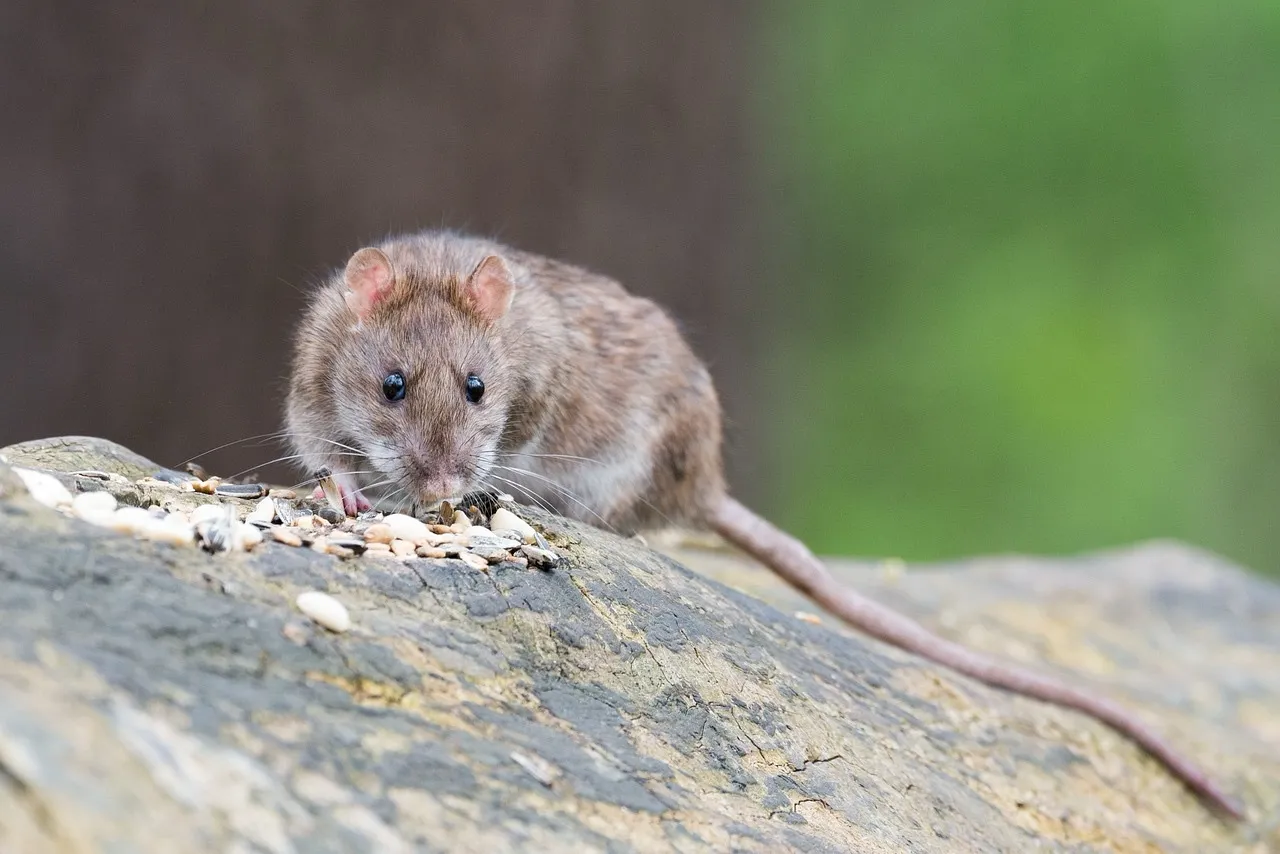
The scratching overhead has a most-likely author: the roof rat — Brisbane’s dominant ceiling tenant, an agile climber that treats your roofline as ground level. Here is the ceiling problem specifically: how they get up there, what they do, and what actually clears a void.
How they arrive
Roof rats travel high by preference — along fences, up vine-covered walls, and above all through trees: any branch touching or overhanging the roof is a bridge, and the pruning gap between canopy and roofline is the single best structural fix. Entry is wherever the roofline gives a thumb-width: lifted tiles, eave gaps, unscreened vents, and the openings where services enter. The winter guide covers why traffic surges as nights cool.
What they do up there
Roof voids offer warmth, insulation for nesting, and privacy — and the costs accumulate quietly: tunnelled and soiled insulation, gnawed timber, and the serious one, gnawed wiring, which is an electrical hazard no household should carry knowingly. Sound tells you plenty meanwhile: heavier, slower movement is rats; light scurrying in numbers leans mice — why the difference changes the approach.
Clearing a void properly
Void work is where professional treatment earns its keep: safely secured, correctly positioned placement along the runways rats actually use — informed by droppings, rub marks and the neophobic caution rats bring to anything new — plus the proofing pass that closes the entries so next winter’s scouts find a sealed roofline. A Rapidkil rodent treatment is $190 with a 1-month free service period, and roof void access is part of the job, not an extra.
Scratching started this week? Call 0490 425 521 or request a quote online — licensed technicians, QBCC Licence 15104001, across Brisbane, Logan and Ipswich.
