Trusted General Pest Management Services in Brisbane
Imagine waking up to find a trail of cockroaches across your kitchen floor or spotting mouse droppings in the pantry. Pests are like uninvited guests – they quietly sneak in, make a mess, and refuse to leave. In Brisbane’s warm, humid climate, critters from termites to rodents can thrive year-round. General pest management is the frontline defense, keeping your home safe and healthy.
It’s not just about spraying bugs; it’s about preventing pests from settling in and catching them early. Brisbane City Council warns that “pests can carry diseases and contaminate your food”, so taking action is crucial. Trusted services (like Rapidkil Pest Control) even brand themselves as your “partner for expert pest management” – tailor-made solutions that deliver long-lasting protection.
Maintaining a pest-free home is a team effort between you and the pros. You keep things tidy and sealed; they bring the science and tools. Below we dive into what general pest management really means, which common pests plague Brisbane, and how expert services tackle them step by step.
What Is General Pest Management?
General pest management refers to routine, all-purpose pest control – the kind of service that takes care of everyday invaders. Instead of calling out an exterminator for one species, a general pest management service handles the whole gang: ants, cockroaches, spiders, silverfish, rodents, fleas and more. Think of it like an annual health check for your home. A technician inspects your property inside and out, identifies any unwanted guests, and treats accordingly. These experts are licensed under Queensland’s pest control regulations, meaning they know how to apply products safely and effectively.
Trusted providers emphasize comprehensive solutions. For example, Rapidkil Pest Control describes itself as “your reliable partner for expert pest management,” specializing in protecting homes and businesses from everything from termites and cockroaches to ants and rodents with tailored solutions. In practice, this means you get inspection + treatment for multiple pests all in one package. Combining services is key: as Rapidkil notes, a general pest treatment plus termite inspection provides “comprehensive protection against a wide range of pests,” ensuring thorough coverage against cockroaches, ants, spiders and hidden termite colonies. In other words, rather than sporadic DIY fixes, general pest management is an integrated strategy designed to keep pests at bay in the long run.
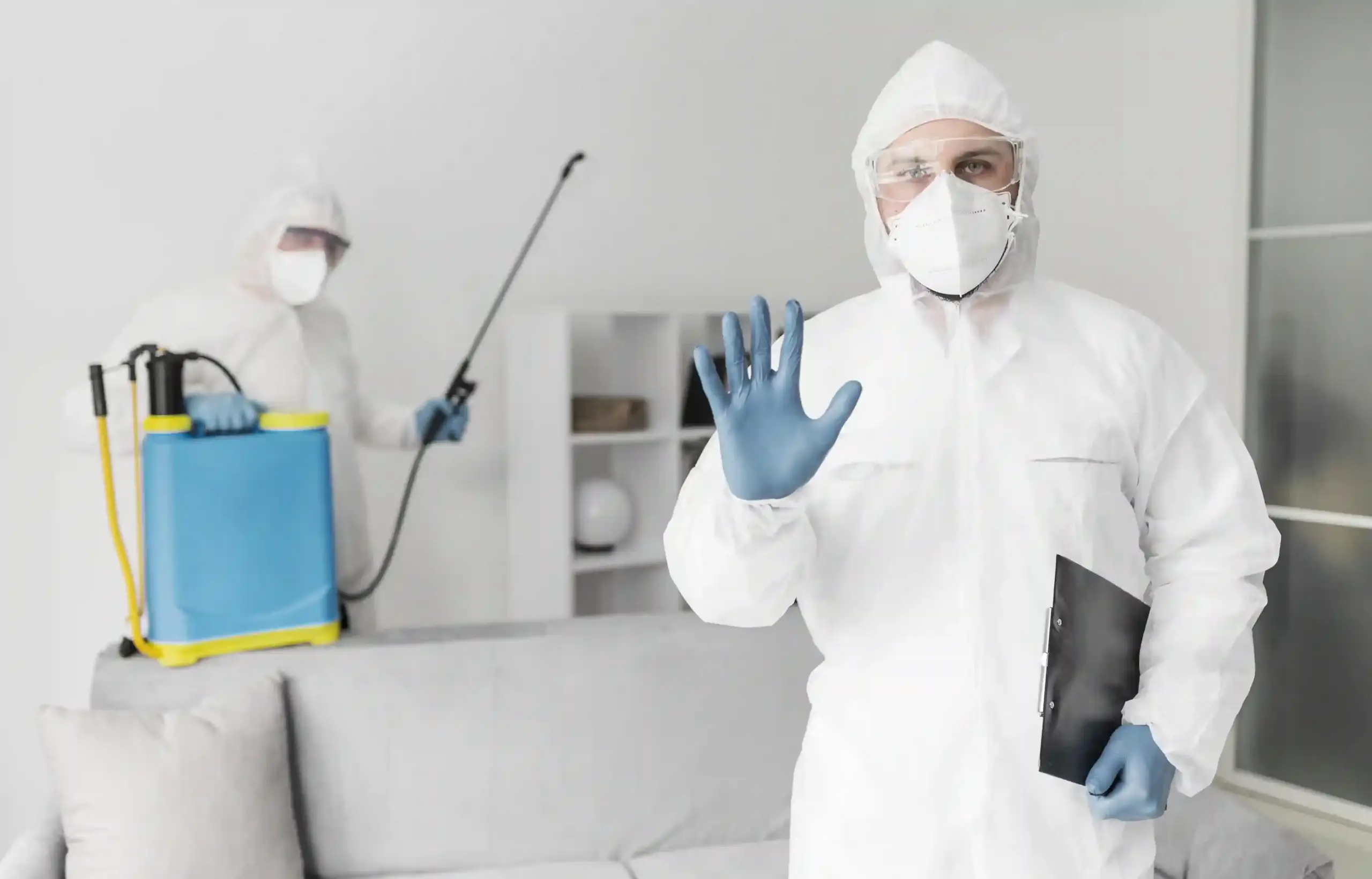
The right equipment is a big part of professional pest management. Here, an expert-grade sprayer is used to apply treatments evenly and safely. Locally-owned services like Rapidkil combine such tools with know-how to deliver targeted, long-lasting solutions.
Every Brisbane property is different – a bustling city apartment has different weaknesses than a suburban house with a backyard. Pest management pros factor that in. They’ll look for entry points (gaps, cracks, vents), attractants (food crumbs, standing water) and conducive conditions (damp wood, dense clutter) before choosing treatments. And because rules are strict here, pest technicians in Queensland must follow the Medicines and Poisons Act 2019 and Pest Management Regulation. This legal framework ensures anyone spraying fumigants or insecticides has proper training and licensing. So when you hire a pro, you get expert handling of chemicals with your family’s safety in mind.
Why Brisbane Homes Need Pest Management
Brisbane’s subtropical weather is paradise for pests. Warmth and humidity mean these critters reproduce quickly and often stay active all year. Let’s look at a few big threats:
- Termites: These silent destroyers cost Aussie homeowners the most damage of any natural hazard. In fact, CSIRO research shows termites wreck more homes than fires, floods, and storms combined. In Brisbane specifically, about 1 in 3 homes will encounter termite activity. That means the tiny paint bubbles or soft timber you dismiss today could hide a colony quietly feasting on your house frame. Waiting often means a repair bill in the tens of thousands (one Brisbane case hit $70,000). The lesson? Even if you can’t see them, termites may be chomping from within – annual professional checks are the best insurance.
- Rodents (rats and mice): Rodents are more than just a nuisance – they’re a health hazard. According to the CDC, rats and mice can carry diseases like leptospirosis, salmonellosis and rat-bite fever. These spread through droppings, urine or even rat mites, contaminating food and surfaces. Look for tiny black pellets, gnaw marks, or a greasy smear along walls. A single pregnant mouse can become dozens of rodents in weeks, so catching them early is crucial. Professional pest managers use traps, bait stations and exclusion work to evict these furry intruders safely.
- Cockroaches and Ants: These insects are stealthy invaders. Cockroaches thrive in hidden cracks – and can trigger allergies and spread bacteria as they scramble over countertops. Ants (especially sugar ants or black house ants) can flood kitchens overnight if a trail’s left behind. A colony of silverfish or carpet moths munches quietly on books, clothing, and pantry goods. Though smaller, these pests multiply rapidly. Regular treatment stops them from settling in every season.
- Mosquitoes and Spiders: Brisbane is famous for its mozzies, especially near water. Some carry viruses like Ross River Fever. Then there are spiders – most are harmless or even helpful, but the occasional redback or Huntsman can startle you (or worse). These critters often sneak inside when you open doors or windows. Proper pest management isn’t just about bugs; bird pests (pigeons) and possums also cause issues. Experts will help deter all sorts of invaders.
The table below summarizes common pests, the risks they pose, and typical control methods:
|
Pest |
Threat/Impact |
Typical Control Methods |
|
Termites (white ants) |
Structural damage to wood. Often hidden (“silent destroyers”) – 1/3 of homes affected. | Annual inspections; chemical barriers or baits; remove wood-soil contact. |
|
Rodents (rats, mice) |
Carry diseases (e.g. leptospirosis, salmonella); chew wires, insulation. | Bait stations, traps, sealing entry holes, sanitation. |
| Cockroaches | Spread bacteria/allergens; rapidly multiply; thrive in kitchens. | Gel baits, insecticidal sprays, meticulous cleaning of food areas. |
| Ants (various) | Contaminate food; some species bite/sting; can signal moisture issues. |
Bait traps, external perimeter sprays, seal cracks, remove food debris. |
|
Mosquitoes |
Bite causing itchy welts; can transmit diseases (Ross River, dengue risk). | Eliminate standing water, use barrier sprays, mosquito nets, repellents. |
| Spiders | Some venomous (e.g. redback); webs can be nuisance. |
Knock down webs, indoor/outdoor sprays, professional removal if needed. |
| Fleas/Bedbugs | Bites cause irritation; infest bedding/pets; hard to eliminate once established. |
Heat treatments, special sprays/powders, thorough vacuuming, pet treatments. |
Keeping these pests out takes more than one-time spray – it’s about prevention (sealing entry points, managing waste) and early action. Brisbane City Council advises simple habits like installing weather strips on doors, keeping windows screened, and storing food off the floor. These steps, combined with periodic professional treatments, form a comprehensive strategy.
The General Pest Management Process
What happens when you call in an expert? Pest management follows clear steps:
- Inspection – The technician performs a walkthrough, checking key areas: kitchen, laundry, roof voids, subfloors and yard. They look for clues (droppings, nests, mud tubes, webbing) and entry points. Catching issues early makes treatment easier.
- Identification – Different pests need different tactics. Pros identify the species (German cockroach vs. American cockroach, for example) and the infestation level. This determines which products and methods to use.
- Customized Treatment Plan – Based on the inspection, the pest manager explains the strategy. This might include:
- Interior spraying: Targeting ants, spiders or roaches in corners, cupboards, behind appliances.
- Outdoor perimeter spray: Creating a barrier around the building to block ants, fleas, cockroaches.
- Baiting: Placing rodent or insect bait stations where pests travel.
- Termite control: Installing chemical or bait barriers in soil or treating wood surfaces.
- Fumigation (if needed): For severe or hard-to-reach infestations (rare for general control).
- Physical removal: Vacuuming webs or egg sacs, trapping rodents.
- Implementation – Using professional-grade tools (like the sprayer shown below) and calibrated products, the team applies treatment efficiently. They follow all safety rules: pets and kids are kept out of treated areas during application, and surfaces are ventilated afterward. Licensed pest technicians follow strict safety practices and guidelines outlined by the Queensland Government pest-control standards to ensure treatments are safe, compliant, and effective.
- Advice & Follow-up – Importantly, the visit often ends with recommendations: fix moisture leaks (mosquito breeding grounds), clear clutter, store food properly, and maybe install door sweeps. A good company will schedule a follow-up or regular service plan – many recommend annual or biannual visits to stay ahead of pests. The Australian Environmental Pest Managers Association (AEPMA) suggests yearly inspections as the baseline for Queensland homes. By catching anything new each year, you prevent minor issues from becoming expensive nightmares.
As one expert guide notes, combining your general pest treatment with a termite inspection “provides comprehensive protection against a wide range of pests”. When done right, general pest management covers every corner – inside, outside, and even under your house – to stop infestations before they start.
DIY vs. Professional Pest Control
Sure, DIY spray cans and traps are tempting: they’re cheap, and who wouldn’t want to play exterminator? But there are big drawbacks. Store-bought products can be misused (spraying indoors can spread residue everywhere) or may not target the real culprit. For example, a flea bomb might do nothing if the actual problem is bird mites or cockroach eggs you didn’t see.
Professionals bring two key advantages: expertise and safety. As Queensland’s laws make clear, anyone doing pest work must be trained and licensed. They know exactly which chemicals to use where – and in what amounts – so you don’t have exposed pesticide around kids or pets. Licensed technicians carry insurance and warranties; most DIY kits offer no guarantee of success. In fact, Brisbane City Council strongly recommends calling a licensed pest operator at the first sign of pests. Why? Because spotting ants in the kitchen or rodents in the roof cavity early can save you from a full-blown infestation.
Think of it this way: a licensed pro does the inspection and application as part of an integrated plan. They have access to advanced tools (moisture meters, thermal cameras, professional-grade insecticides) that home stores don’t sell. They also understand the local environment. For instance, Rapidkil’s technicians tailor treatments by suburb – termite attacks are more likely in some areas, while cockroaches might come in through drains in others. In short, professional service is more thorough, faster, and ultimately more reliable than DIY. Plus, most companies offer follow-ups or service plans, so you’re not left re-spraying your own home every few months.
Tips to Keep Pests at Bay
Even with pros on call, a little prevention goes a long way. Here are some easy habits Brisbane experts share:
- Seal the house – Use weather strips or door sweeps under external doors to block tiny invaders. Repair torn window screens and seal gaps around pipes and vents. Rats can squeeze through a 2 cm hole, so be vigilant.
- Maintain cleanliness – Wipe down counters, vacuum crumbs, and don’t leave pet food out. Store pantry items in sealed containers. Cockroaches and ants love accessible food. Brisbane Council points out that keeping your premises clean with “no gaps, cracks and crevices” is a great first defense.
- Handle rubbish properly – Store garbage in sealed bins and empty them often. That eliminates food sources for flies, roaches, rats and possums. Compost bins should be away from the house if possible.
- Eliminate standing water – Mosquitoes breed in small amounts of water. Check gutters, pet bowls, and plant pot saucers regularly. Fix leaky taps and drains.
- Declutter and trim vegetation – Remove piles of scrap wood or cardboard where spiders and ants hide. Keep outdoor plants trimmed so they don’t touch the house (paths for ants or possums).
- Call the pros early – If you see even one live roach, a mouse dropping, or termite shelter tube, it’s time to call. Brisbane authorities advise engaging a licensed operator right away if pests appear. Don’t wait for an infestation to take off.
By combining these everyday precautions with scheduled professional treatments, you create a hostile environment for pests and stop them from turning into a big headache.
Choosing the Right Pest Management Service
With your home’s safety on the line, pick a provider wisely. Here’s how to find a trusted general pest management service in Brisbane:
- Check credentials – Technicians should be licensed (look for a QBCC or license number). Ask if the company is a member of industry associations like AEPMA or Australian Pest Controllers Association; these often require ongoing training standards.
- Experience & Reputation – How long have they been servicing Brisbane? Read online reviews and get referrals from friends or neighbors. A local, established team will know which pests hit hard in your suburb and how best to address them.
- Guarantees – Reliable companies stand by their work. Ask if they offer a warranty period (e.g. they’ll re-treat for free if pests return within a certain time).
- Communication – A good pest manager should explain what they’re doing in plain language, not just talk jargon. They’ll outline the treatment plan, safety precautions, and follow-up schedule clearly.
- Eco and safety focus – If that matters to you, inquire about their products. Many Brisbane services now use eco-friendly or low-toxicity options whenever possible. For example, Rapidkil highlights “cutting-edge technology with eco-friendly treatments” in their packages.
Ultimately, a general pest management service is an investment in peace of mind. Regular, professional care can catch issues before they become costly, as experts note – prevention (hundreds of dollars a year) is far cheaper than post-damage repairs (tens of thousands). If you can’t immediately say when your last pest check was, it might be time to schedule one.
Conclusion
Pests don’t take holidays in Brisbane – and neither should your vigilance. General pest management is all about ongoing protection: routine checks, preventive treatments, and expert care to keep cockroaches, rats, termites and more from making your home theirs. By combining DIY smarts (clean living, sealing gaps) with professional help, you stay several steps ahead of any infestation.
If you spot any early warning signs (droppings, damage, actual bugs), don’t wait. Contact a local Brisbane pest management team to inspect and treat your property. Even better, look into regular service plans – it’s much easier (and cheaper) to prevent pests than to exterminate an established colony. After all, the goal is simple: a safe, comfortable home where you can sleep easy knowing there are no creepy crawlies crashing your place.
Ready to reclaim your space? Reach out to a licensed general pest management service today and say goodbye to unwanted guests for good!
FAQ
-
What does general pest management include?
General pest management covers routine control of common pests (ants, spiders, cockroaches, rodents, etc.). It includes inspection, targeted treatments (sprays, baits, traps) and prevention advice to keep homes pest-free.
-
How often should I schedule pest control?
In Brisbane’s climate, a general pest management visit is recommended at least once a year. Regular inspections (often annually) catch issues early and prevent costly infestations.
-
Are pest control chemicals safe for my family and pets?
Licensed pest professionals use products approved for home use. Properly applied treatments are generally safe after drying. It’s wise to keep pets and people away during application and to follow any safety instructions given by the technician